
Case Study

Modernizing Data Access and Automation Enables Fast-Tracking of Cell Therapeutics

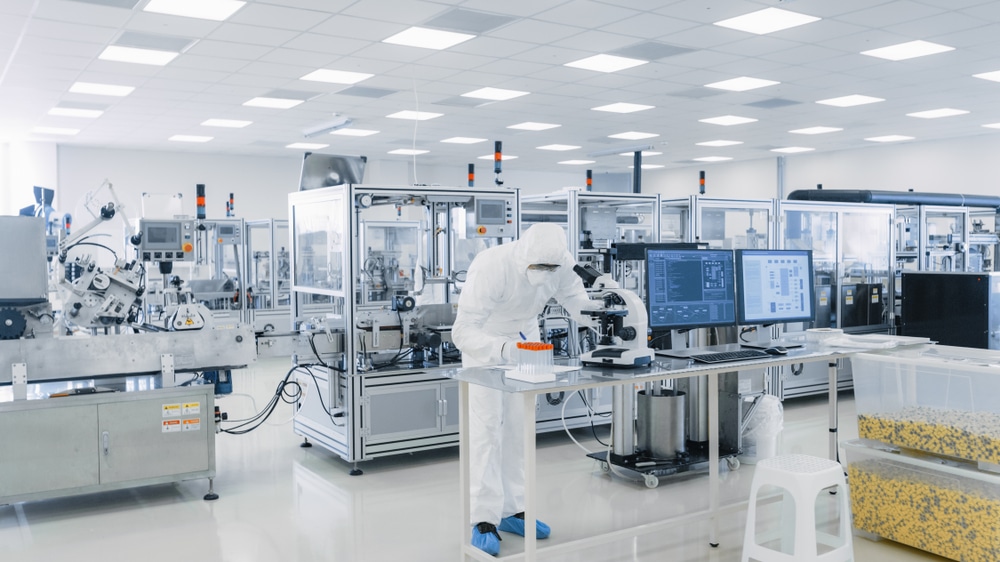
cell therapy image

Recent advancements in platforms and technologies are driving significant innovation in cell and gene therapies. The introduction of commercially approved CAR-T therapies, next-generation TCR-engineered immunotherapies, and the swift progress in gene replacement and gene-editing techniques are transforming development pipelines and broadening access to these revolutionary treatments. paragraph here

“Standardized automation and digitalization frameworks are essential to enable scalable manufacturing, reliable data architecture, and regulatory confidence across the cell and gene therapy lifecycle.”— International Society for Cell & Gene Therapy (ISCT), Cytotherapy Journal, 2025ICST-Cytotherapy-Journal_Volume 27, Issue 8p903-909 August 2025 

An Evolving Landscape

​New infrastructure is springing up to produce these novel therapies, since many entail autologous cell transplantation and require aseptic manufacturing environments.​Research, testing, manufacturing, and delivery of these next-generation therapies share similar characteristics that distinguish them from conventional pharmaceutical and biopharmaceutical products.​​
The nature of this new class of therapies requires every organization in the discovery-to-manufacturing chain to document end-to-end visibility across the product supply chain, chain of custody, identity, and condition.​​This case study discusses how a rapidly growing cell therapy company capitalized on Astrix’s unique expertise in business process analysis, technology and data architecture development, to help design and implement an effective framework and roadmap to accelerate solutions to the unique challenges inherent in this leading-edge approach to therapeutics.

Business Challenge

A rapidly growing cell therapy company reached an inflection point at which they realized it would be their data access and process automation that would ultimately drive their success. The company’s senior leadership recognized that they needed to migrate from an environment in which data from disparate systems required being combined into spreadsheets for analysis and decision making.

How We Enabled Success

As executive leadership called for additional capabilities to leverage global research and development efforts, it became clear that the technology strategy needed to change. To fuel the next stage of company growth, they sought to integrate technology capabilities across research and early development functions and across many geographic regions.

Data Architecture & Automation Strategy
Astrix collaborated with the cell therapy company to design a future‑state data architecture to enable advanced, data‑driven analysis and decision‑making across the enterprise. The strategy remained tightly focused on leveraging AI‑ready automation, core system functionality, and integrated data flows to improve insight velocity and operational scalability.
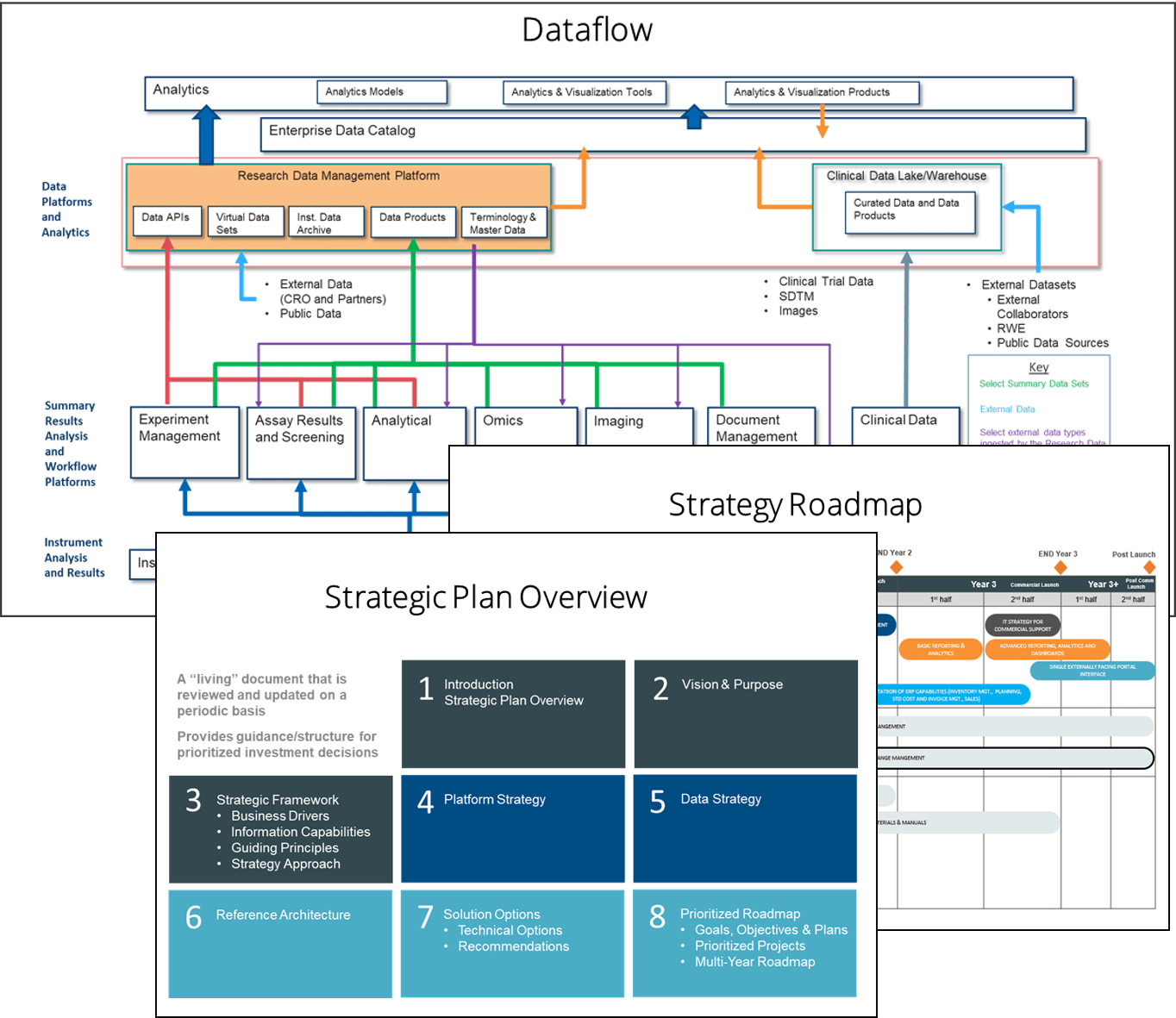

Key elements of the approach included:

  • Capability assessment across Research, Translational, Pre‑clinical, Clinical, and Manufacturing functions
  • Rationalization of transactional and analytical systems, addressing reliance on informal and fragmented analysis tools
  • Design of an integrated data architecture enabling cross‑functional data flow and analytics
Foundation for AI and automation, prioritizing structured, trusted data and system interoperability to support advanced analytics and future automation initiatives  
diagram of data flow

Current State Assessment

A key component of this project was an effective current state assessment that Astrix leveraged to assemble multiple use cases and refine areas that would benefit from more accurate, accessible data and robust analytics tools.

The assessment identified opportunities to enable deeper insights across patients, products, processes, and other critical domains. It also defined technical requirements, organized into capability platforms, which informed a conceptual technical architecture outlining functional capabilities within an integrated enterprise data ecosystem encompassing both transactional systems and domain-specific repositories.

Gap Analysis

The team acknowledged that their aspirations often outpace their current capabilities and emphasized the importance of understanding the gap between where they are today and where they want to be. To assess organizational maturity and develop a roadmap for improvement, the team adopted a Data Analytics Maturity Model.

To bootstrap results, the Astrix team conducted a rapid assessment of commercial offerings that could impact each of the key functional areas while providing value at the enterprise level.

The Astrix Impact

Data Architecture: Developed a data architecture inclusive of research, translational, clinical, and manufacturing, depicting the data flow from collection to repositories, data structures with MDM (Master Data Management) and use of analytics for business insights.

Actionable Roadmap: Created, and enabled the client team to align on, a roadmap for the Data Architecture to be implemented with a gated, prioritized approach.

Commercial Landscape: Combined Astrix’s deep technology market experience with a rapid commercial assessment  to determine solutions that could readily impact the business needs.

Astrix has a way of keeping us moving, keeping us focused, and delivering results.
Information Architect

Related Insights & Resources

Case Study

Scaling Manufacturing Capabilities to Support Phase 1 and 2 Clinical Operations for a Clinical-Stage Biotechnology Company

Business Problem & Situation A clinical-stage biotechnology company specializing in targeted gene therapies for central

Learn More

Case Study

Providing Expert-level, project-based consulting for Data and Lab Sciences within a Global Biotechnology Leader

Business Problem The positions within the Informatics department required highly specialized, expert-level skills, and the

Learn More

Case Study

Accelerated Workforce Expansion for a Clinical Reference Laboratory

Business Problem The client faced an urgent requirement to rapidly expand their workforce. They needed

Learn More

blog

This is a title

Type your paragraph here